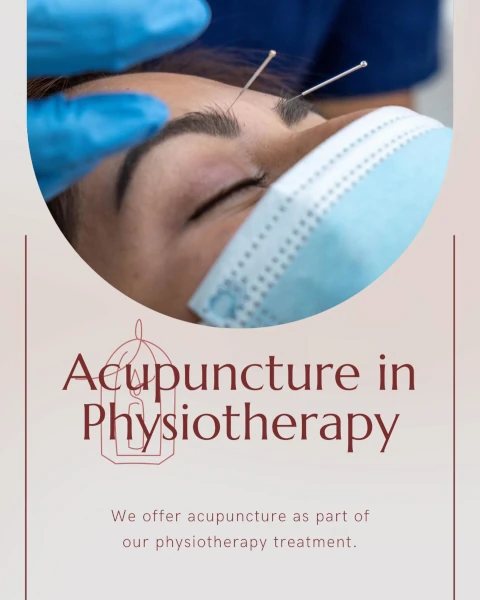
Acupuncture is one of the treatments we offer as part of physiotherapy care, and it is often misunderstood, either dismissed as unscientific or assumed to be painful. In reality, when it is delivered by a trained physiotherapist as part of a broader assessment, it is a well-tolerated technique with a growing evidence base for certain musculoskeletal conditions.
What Is Acupuncture?
Acupuncture involves stimulating sensory nerves under the skin and in the muscles by inserting fine, single-use needles into specific points on the body, chosen according to your symptoms. In traditional terms, this is described as restoring the flow of the body’s energy, or Qi, along pathways known as meridians. From a physiotherapy perspective, acupuncture is understood to stimulate the nervous system in ways that can enhance the body’s own healing response and reduce pain.
The needles are very fine and inserted only at the surface of the skin. You may feel a dull ache at the insertion point, but it should not be painful.
Why Have Acupuncture With a Physiotherapist?
Acupuncture delivered by a physiotherapist is combined with a full assessment and with other treatments, such as manual therapy and exercise, to achieve the best possible outcome, rather than being used as a stand-alone therapy. Look for a physiotherapist who is a member of the Acupuncture Association of Chartered Physiotherapists (AACP), which means their practice is grounded in current research and delivered under professional guidelines designed to minimise any risk of complications.
What Can Acupuncture Treat?
Acupuncture is used to treat a range of musculoskeletal and pain-related conditions, and works particularly well alongside manual physiotherapy. It is commonly used for:
- Lower back pain
- Neck and shoulder pain
- Headaches
- Fibromyalgia
- Arthritis and general pain relief
One area with a particularly interesting evidence base is carpal tunnel syndrome (CTS), the most common entrapment neuropathy of the upper limb. A randomised clinical trial comparing physiotherapy alone with physiotherapy plus acupuncture found that adding acupuncture improved pain, disability and grip strength more than physiotherapy on its own, offering a promising option for a condition that can otherwise be difficult to manage conservatively.
What Patients Say
“Thank you for my neck appointment yesterday. It has helped loads. I actually finished work today without a headache.”
What to Expect During Treatment
Your physiotherapist will carry out a full assessment first to decide, together with you, whether acupuncture is appropriate as part of your treatment. If it is, needles are placed at specific points relevant to your condition and left in place briefly. Most patients find the experience relaxing rather than uncomfortable.
When to See a Physiotherapist
If you are dealing with persistent musculoskeletal pain, tension headaches, or a condition such as carpal tunnel syndrome that has not fully responded to other treatment, it is worth asking whether acupuncture could be a useful addition to your plan.
FAQ
Does acupuncture hurt?
Most people feel little more than a dull ache when the needle is inserted, if anything at all. It is generally very well tolerated.
Is acupuncture backed by research, or is it just traditional practice?
Both. While it has roots in traditional Chinese medicine, physiotherapists trained in acupuncture, such as AACP members, apply it based on current research into its effects on the nervous system, and there is a growing body of clinical trial evidence for specific conditions such as carpal tunnel syndrome.
Can acupuncture replace other physiotherapy treatment?
No, it works best as one part of a broader plan. It is typically combined with manual therapy and exercise rather than used as a stand-alone treatment.
Ready to get started? Book your Initial Physiotherapy Assessment today.