Among the techniques we use in the clinic, the Feldenkrais Method is one of the less well known, yet it has a rich history and a distinctive, gentle approach to improving movement, balance and comfort in the body.
Who Was Moshe Feldenkrais?
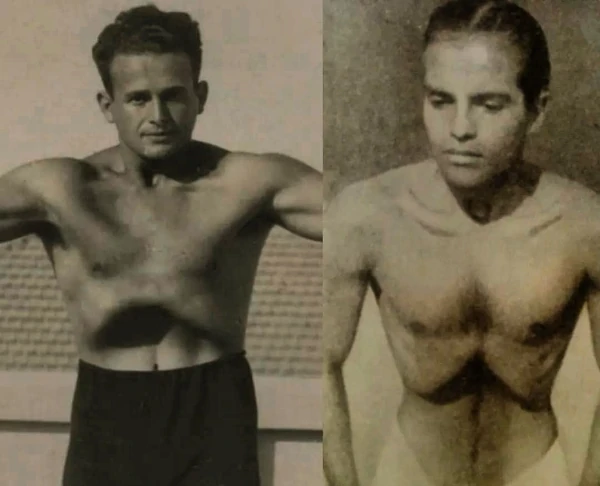
The Feldenkrais Method was developed by Moshe Feldenkrais, born on 6 May 1904, a doctor of science described as an engineer, physicist, inventor, martial artist and student of human development. Born in Eastern Europe, he played soccer and practised judo, and it was a chronic knee injury that first prompted him to apply his scientific knowledge to understanding and improving human movement, ultimately developing the method that bears his name. Today, more than 10,000 teachers and practitioners around the world continue to teach his approach.
What Is the Feldenkrais Method?
The Feldenkrais Method uses gentle, guided movement sequences, known as Awareness Through Movement lessons, to help people notice and improve how they move. Rather than forcing a “correct” position, the method is built on the idea that learning how to move well matters more than being told what to do. Feldenkrais himself captured this philosophy well when reflecting on the practice of yoga: “Every bodily practice is good if performed correctly, as every word is good if used correctly. Therefore, the point is to learn how to do, not what.” He saw clear parallels between his own approach and yoga, incorporating some yoga techniques and ideas into his lessons, and in 1960 he personally introduced a visiting yoga master on stage in Israel, recognising the shared emphasis on slow, deliberate movement.
What the Feldenkrais Method Can Help With
Balance and Fall Prevention
Research has shown that practices like the Feldenkrais Method, alongside yoga, tai chi and strength training, can improve balance, gait and the capacity to carry weight, all of which help lower the risk of falling. Improved body awareness, or proprioception, is a key part of this benefit.
Movement Quality and Comfort
Because the method focuses on how movement feels and functions rather than forcing a specific posture, it is often useful for people dealing with chronic tension, stiffness, or movement patterns that have become inefficient or painful over time.
Rehabilitation Support
As a gentle, low-load approach, Feldenkrais can complement more traditional physiotherapy exercise, particularly for people who need to rebuild confidence in movement.
Why We Include It in Treatment
As physiotherapists who are also Certified Feldenkrais Practitioners®, we see real value in combining structured rehabilitation with this more exploratory, awareness-based approach to movement. Movement, used well, is one of the most effective tools available for both preventing and recovering from pain, and the Feldenkrais Method offers a distinctive, evidence-informed way to build that movement quality back up gradually.
When to See a Physiotherapist
If you are dealing with chronic tension, feel unsteady on your feet, or simply feel your movement has become stiff and effortful rather than easy, it is worth asking whether the Feldenkrais Method could be a useful part of your care.
FAQ
Is the Feldenkrais Method a type of exercise?
Not in the traditional sense. It uses slow, gentle, guided movement to build awareness and improve how you move, rather than focusing on strength or cardiovascular fitness directly, though it can complement both.
Who is the Feldenkrais Method suitable for?
It is generally gentle and low-impact, which makes it accessible for a wide range of people, including those recovering from injury, managing chronic pain, or wanting to improve balance and reduce fall risk as they get older.
Do I need to be flexible or fit to try it?
No. The method is built around exploring movement at whatever level is comfortable for you, which is part of why it works well for people who feel intimidated by more conventional exercise.
Ready to get started? Book your Initial Physiotherapy Assessment today.