If your physiotherapist has suggested Tecartherapy as part of your treatment, you may be wondering what it actually involves, and why it is used alongside hands-on therapy rather than instead of it. Tecartherapy is one of the more versatile tools in modern physiotherapy, and there is a growing body of research behind it.
What Is Tecartherapy?
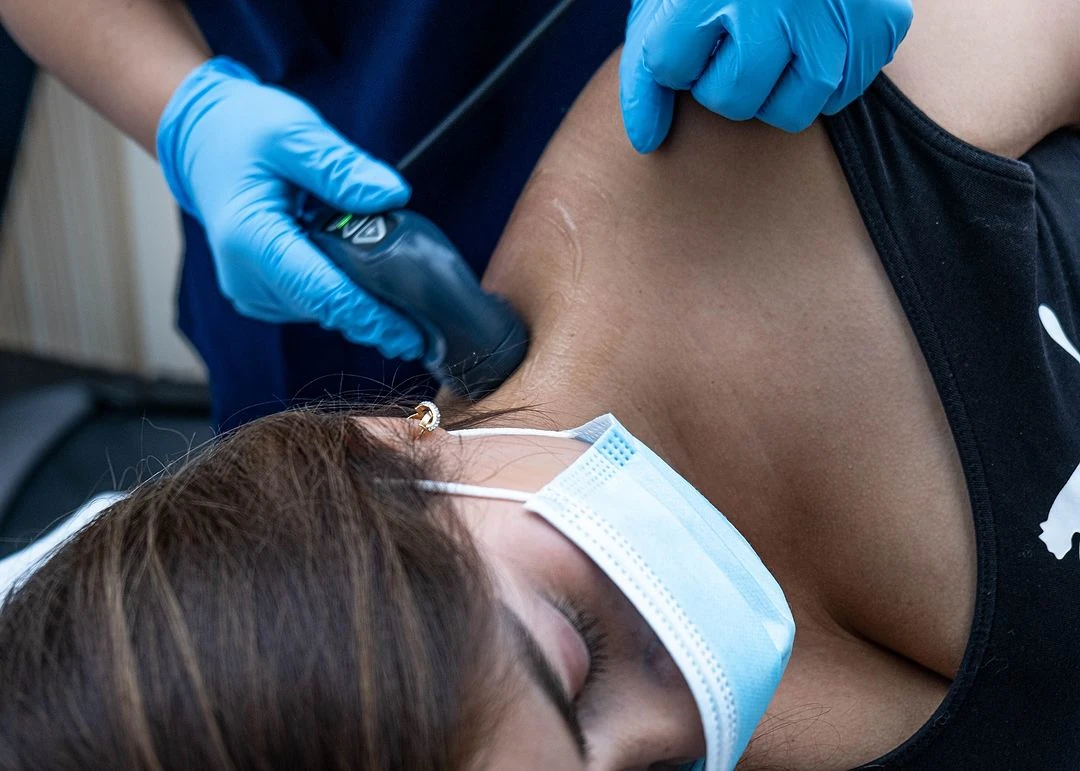
Tecartherapy is a form of combined contact diathermy and electrotherapy. It is a medical technique that applies electromagnetic energy to biological tissue, delivering warmth at depth rather than just at the surface. Capable of penetrating through all tissue types, from soft tissue to bone, it encourages healing and helps reduce pain, inflammation and swelling. Most patients find it a comfortable addition to a manual therapy session, with many reporting noticeably less pain after just one treatment.
What Conditions It Can Help With
Tecartherapy is used across a wide range of physiotherapy and rehabilitation contexts, including:
- Bruises and sprains
- Post-surgery rehabilitation
- Sports injuries
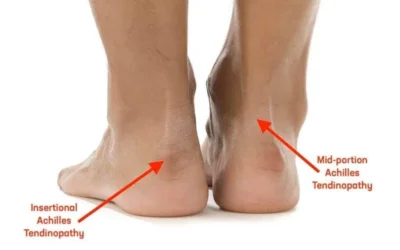
- Muscle and tendon disorders
- Neuropathies and scar tissue
- Spine and peripheral joint disorders
- Vascular and lymphatic system disorders
- Acute and chronic pain
What Does the Evidence Say?
A systematic review of Tecartherapy’s effects on body tissue found that it produces a consistent increase in tissue temperature, with greater warming at depth than at the surface. In symptomatic tissue, this translated into reduced pain and improved function across muscles, tendons and joints. In healthy tissue, it improved blood flow and tissue mobility, supporting better muscle and tendon function.
More specific evidence comes from a randomised study on chronic non-specific low back pain, defined as pain lasting longer than 12 weeks. Sixty adults were divided into three groups: one receiving a manual therapy protocol alone, one receiving the same manual therapy combined with Tecartherapy, and a control group receiving no treatment, each intervention group completing six sessions over two weeks. The group combining manual therapy with Tecartherapy showed greater improvements in pain and disability than manual therapy alone, an effect the researchers attributed to the combination of mechanical and thermal effects delivered together. The benefit was most pronounced in fluid-poor tissue such as tendons, joints and bone, and less so in muscle, and in most measures the improvements were still present months after treatment ended. The authors were careful to note that the short duration of the study means the findings are indicative rather than conclusive, and that further long-term research would help confirm them. (Source: Medicina, 2023, mdpi.com/1648-9144/59/7/1275)
Separate research has also looked specifically at Tecartherapy’s effectiveness in musculoskeletal disorders and in knee osteoarthritis, adding to a picture of a treatment that is increasingly well studied rather than purely anecdotal.
How We Use Tecartherapy in Treatment
Alongside Manual Therapy
The combination of hands-on treatment and Tecartherapy’s thermal and mechanical effects appears to outperform manual therapy alone, particularly for persistent pain.
As Part of Exercise Rehabilitation
By reducing pain and improving tissue mobility first, Tecartherapy can make it easier to engage properly with strengthening and movement work.
What to Expect During Treatment
Sessions are non-invasive and most patients describe them as comfortable, often reporting a pleasant sensation of deep warmth. It is generally well tolerated, and many people notice a reduction in pain that begins during or shortly after the first session, though a full course is usually recommended for lasting results.
When to See a Physiotherapist
If you are dealing with persistent muscle, tendon or joint pain that has not responded to rest alone, it is worth having it assessed to see whether Tecartherapy, combined with manual therapy, could be a suitable part of your treatment plan.
FAQ
Is Tecartherapy painful?
No. It is a non-invasive treatment and most patients find the sensation of deep warmth comfortable rather than uncomfortable.
How is Tecartherapy different from a normal heat pack?
Unlike surface heat, Tecartherapy generates warmth within the tissue itself, reaching deeper structures such as tendons and joints rather than warming only the skin surface.
Will I need Tecartherapy alone, or combined with other treatment?
It is most effective as part of a broader plan. Research suggests it works best combined with manual therapy and, where appropriate, an exercise programme, rather than as a stand-alone treatment.
Ready to get started? Book your Initial Physiotherapy Assessment today.