Jaw pain, clicking or a feeling of tightness around the ear is often put down to stress or “just how the jaw is”, but it usually has an identifiable cause and responds well to physiotherapy. This is known as temporomandibular joint dysfunction, or TMJ dysfunction, and it is one of the more overlooked areas physiotherapists treat.
What Is the TMJ?
The temporomandibular joint, or TMJ, is the joint that connects your jaw bone to the rest of your skull. You can feel it just in front of your ear. It is a complex joint, and pain here can come from a number of sources, including poor posture, habits such as clenching or grinding, a growth disorder, injury, or inflammation.
Signs and Symptoms
- Pain in the jaw joint or facial muscles
- Clicking, grinding or locking of the jaw
- Headaches and dizziness
- Difficulty opening and closing the mouth fully
- Pain when chewing hard food or yawning
What Causes TMJ Pain
There is usually a combination of factors behind TMJ pain, rather than a single cause:
- Overactivity of the jaw muscles, often from clenching or grinding the teeth
- Trauma, such as a blow to the joint or jaw, including from a road traffic accident
- Cross bite, muscle imbalances, osteoarthritis or rheumatoid arthritis
- Stiffness or dysfunction in the neck
- Stress and nervous habits, which can increase sensitivity to pain
How Physiotherapy Helps
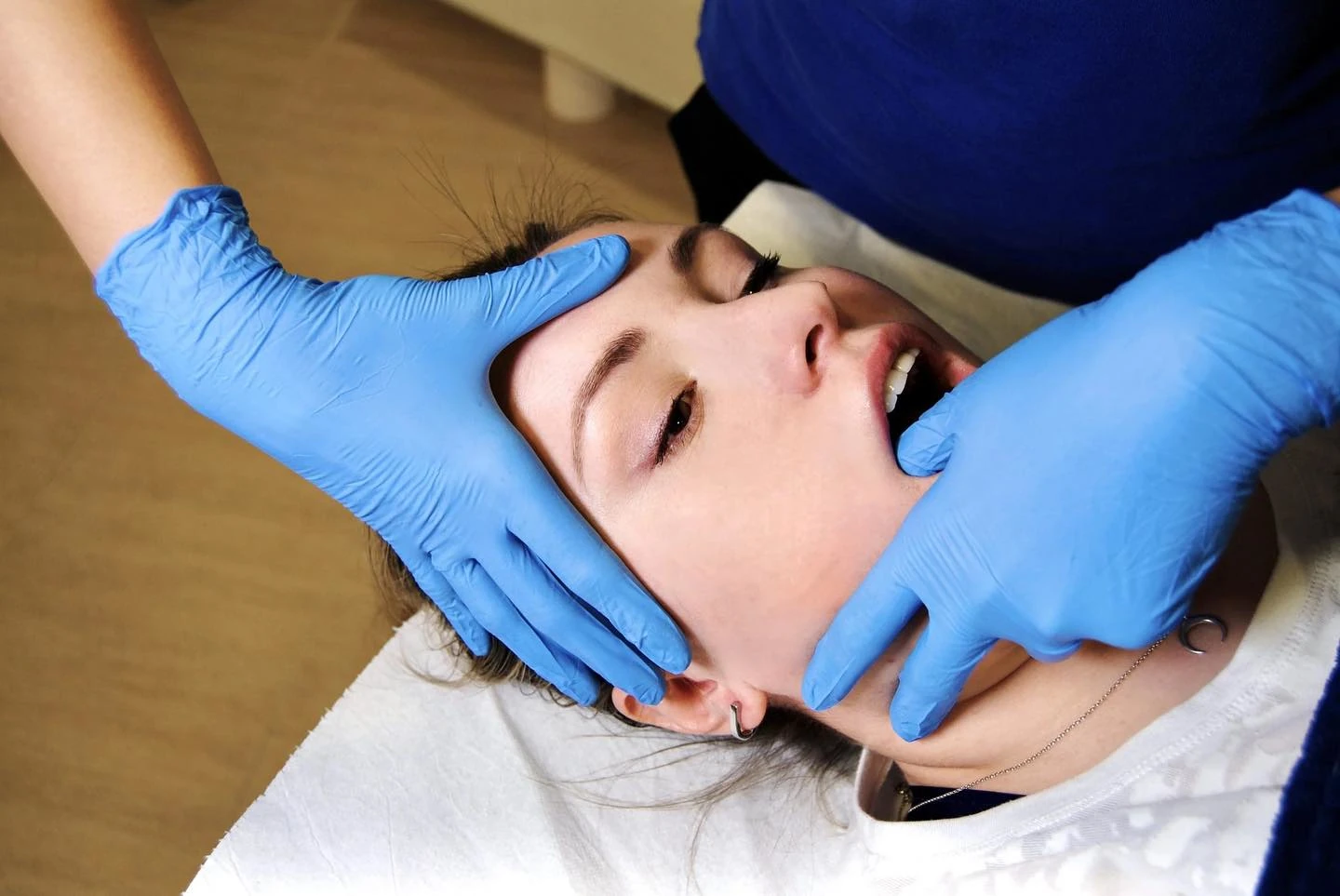
Some people are hesitant to try physiotherapy for TMJ pain, assuming it will be uncomfortable, but treatment is usually gentle and aims to reduce pain rather than provoke it. Physiotherapists typically use a combination of approaches:
Manual Therapy
Massage and gentle mobilisation of the muscles and tissues around the jaw joint help reduce pain and inflammation and improve joint mobility.
Exercise Therapy
Targeted exercises strengthen the muscles around the jaw joint, which helps reduce pain and supports longer-term function.
Therapeutic Modalities
Treatments such as ultrasound and Tecartherapy can help reduce inflammation and pain in the area.
Taping and Posture Work
Taping can help keep the jaw in a more comfortable position, while addressing posture and neck movement is often just as important. Sitting or lying badly, or straining and craning the neck, can make TMJ pain worse, so a stiff neck can itself refer pain into the jaw joint. Improving posture and keeping the neck mobile and strong is a key part of managing symptoms.
Self-Management Advice
Alongside physiotherapy, small daily changes can make a real difference:
- Gently massage the muscles around the joint
- Use heat or ice for around 10 minutes to help ease pain
- Exercise the jaw regularly, guided by your physiotherapist
- Cut food into smaller pieces, and avoid hard, crunchy or chewy foods
- Avoid chewing gum, pencils or nails, and try not to open your mouth too widely when yawning
- Avoid resting a phone handset between your shoulder and ear
When to See a Physiotherapist
If jaw pain, clicking or headaches are persistent, affecting how you eat or sleep, or not improving with simple self-care, it is worth having the joint properly assessed. A physiotherapist can identify contributing factors, including posture and neck involvement, and build a treatment plan around them.
FAQ
Can neck problems really cause jaw pain?
Yes. The neck and jaw are closely linked, and stiffness or poor posture in the neck can refer pain into the TMJ. Addressing neck mobility is often part of an effective treatment plan.
Should I see a dentist or a physiotherapist for TMJ pain?
Often both have a role. A dentist can check for teeth grinding or bite issues, while a physiotherapist addresses the muscles, joint mobility and posture involved.
Will treatment for TMJ dysfunction be painful?
No, treatment is generally gentle. The aim is to reduce pain and restore comfortable movement, not to provoke discomfort.
Ready to get started? Book your Initial Physiotherapy Assessment today.