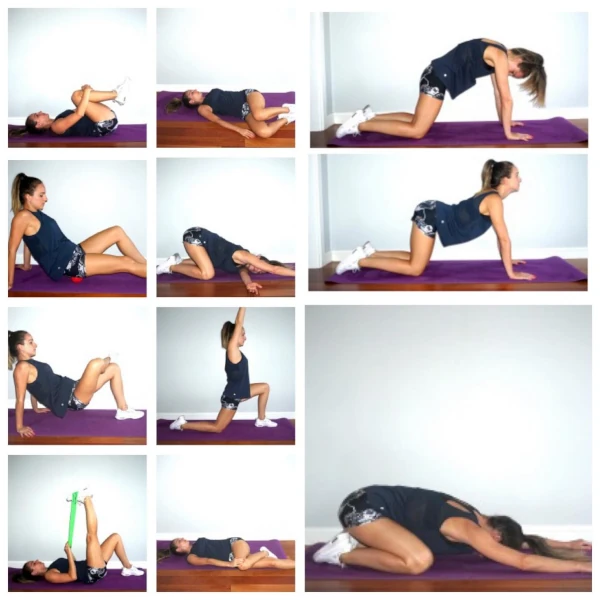
Back pain is the single most common issue we see as physiotherapists. For most people it isn’t a sign of anything serious, but it can still be disruptive, and the right exercises and a proper assessment make a real difference to how quickly it settles.
How Common Is Back Pain?
Most adults experience back pain at some point, whether it’s a dull ache after a long day at a desk or a sharper twinge after lifting something awkwardly. Age plays a role, since joints naturally lose some lubrication and cartilage thins over time, but age alone doesn’t decide how stiff or painful your back becomes day to day. Everyday habits matter just as much.
Three Everyday Causes of Back Pain
Dehydration
Muscles are active tissue with high water demands. When you’re not drinking enough, muscles are more prone to tightness and cramping, including in the back.
Inactivity
Long periods sitting, driving or lying down let muscles stiffen up. Regular movement, even short walks through the day, helps keep them supple.
Stress
Prolonged stress makes the body tighten, which often shows up as poor posture and extra tension through the lower back and shoulders.
How a Physiotherapist Assesses Back Pain
A physiotherapist doesn’t just look at where it hurts. We assess how you move, your posture, your daily routine and any previous injuries, to understand the underlying cause rather than just the symptom, then build a treatment plan around your specific situation.
Physiotherapy Exercises and Treatment for Back Pain
Depending on what’s driving your pain, treatment might combine manual therapy to ease tight, painful tissue with a graded exercise programme to build strength and mobility, plus practical advice on posture, hydration, and pacing your activity through the day.
Stay Active, Don’t Rest
It may feel counterintuitive, but staying as physically active as possible is one of the most effective things you can do for acute back pain. Bed rest can offer some temporary relief, but prolonged rest tends to make symptoms worse rather than better. Your spine likes movement, so try to change position every 20 to 30 minutes rather than staying still for long stretches, and keep gentle activity such as walking and stretching part of your daily routine.
If back pain forces you to take time off work, it is worth returning as soon as you reasonably can. Research has found that people who continue working, or return early, during an episode of back pain tend to recover more quickly than those who stay at home. The reassuring news is that most back pain does get better, it just takes a little time and consistency with the advice above.
Hypopressive Exercises
Hypopressive exercises are a technique particularly well suited to people with back pain, because they strengthen the deep abdominal and spinal stabilising muscles without requiring spinal movement, which means they can even be used by people with a herniated disc.
The technique works by directly activating the transverse abdominal muscle, helping to strengthen the abdominal girdle and stabilise the spine. In practice, this means breathing out fully until the abdomen begins to contract naturally, then drawing the abdominal muscles further inwards and holding the contraction, starting with 10 to 20 seconds and building up gradually over time, before releasing and returning to normal breathing. The exercise can be performed lying down, sitting, leaning forward or kneeling, and it is generally recommended 3 to 5 times a week, starting lightly and increasing gradually. As with any new exercise, a physiotherapist can check your technique and confirm it is appropriate for you.
When Back Pain Needs Urgent Attention
Most back pain settles with the right care and doesn’t need urgent treatment. However, you should see a doctor promptly if back pain comes with numbness or tingling in both legs, loss of bladder or bowel control, follows a significant fall or injury, or comes with unexplained weight loss. These are uncommon, but worth acting on quickly.
Preventing Back Pain Day to Day
Small, consistent habits go a long way: staying hydrated, taking regular breaks from sitting, managing stress, and keeping your core and back muscles active through gentle, regular exercise.
A Different Kind of Walk
For chronic lower back pain, walking backwards, ideally on a treadmill or in a clear, obstacle-free space, can be a surprisingly effective addition to your routine. It demands more coordination between your visual and body-awareness systems than walking forward, which translates into real benefits for balance and gait, and it burns close to 40% more energy than walking forward at the same speed. It is not a replacement for a proper rehabilitation programme, but it is a simple, low-risk way to add variety to your movement routine.
FAQ
What is the most common cause of back pain?
There’s rarely a single cause. Inactivity, dehydration and stress are three everyday factors that build up together, alongside posture and how you move day to day.
Does drinking more water really help back pain?
It can. Muscles need good hydration to function properly, and dehydrated muscles are more prone to tightness, so staying hydrated is a simple, low-effort habit that supports recovery.
When should I see a physiotherapist for back pain?
If pain lasts more than a couple of weeks, keeps coming back, or is limiting what you can do day to day, it’s worth getting an assessment rather than waiting for it to resolve on its own.
Ready to get started? Book your Initial Physiotherapy Assessment today.