
Health Guides
Guides and articles from our physiotherapy team, covering common conditions, treatments and practical advice for pain-free movement.
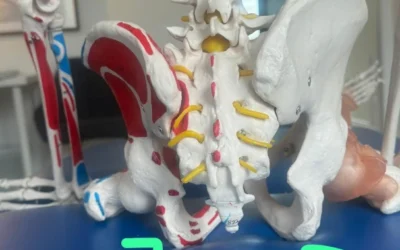
Desk Ergonomics: How to Sit Well and Protect Your Back
Desk work and back pain often go hand in hand, but it does not have to be that way. Most advice about desk posture repeats the same basics: feet flat on the floor, keyboard at a comfortable height. Useful, but there is one detail that makes a bigger difference than...
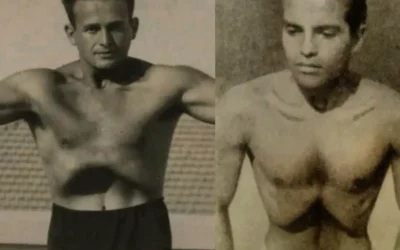
The Feldenkrais Method: Origins, Principles and How It Helps
Among the techniques we use in the clinic, the Feldenkrais Method is one of the less well known, yet it has a rich history and a distinctive, gentle approach to improving movement, balance and comfort in the body. Who Was Moshe Feldenkrais? The Feldenkrais Method was...

Acupuncture in Physiotherapy: How It Works and What It Treats
Acupuncture is one of the treatments we offer as part of physiotherapy care, and it is often misunderstood, either dismissed as unscientific or assumed to be painful. In reality, when it is delivered by a trained physiotherapist as part of a broader assessment, it is...

Tecartherapy: How It Works and the Evidence Behind It
If your physiotherapist has suggested Tecartherapy as part of your treatment, you may be wondering what it actually involves, and why it is used alongside hands-on therapy rather than instead of it. Tecartherapy is one of the more versatile tools in modern...
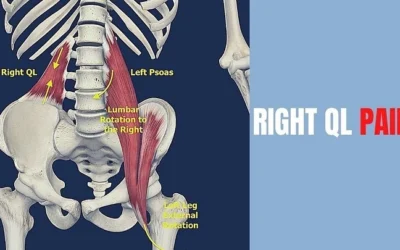
Psoas and Quadratus Lumborum: A Hidden Cause of Back Pain
The psoas and quadratus lumborum are two of the key muscles supporting the lower back, and they work as a pair far more than most people realise. When one of them is not pulling its weight, the other tends to compensate, and that imbalance is a common, often...
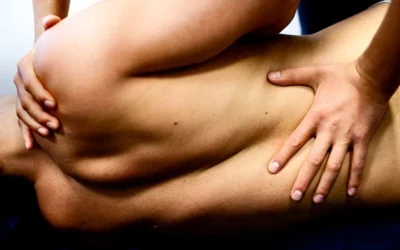
Spinal Manipulation: What It Is and What to Expect
You may have heard people describe an audible "pop" or "crack" during a spinal treatment, or wondered what exactly a practitioner is doing when they use their hands on your back or neck. Spinal manipulation is one of the more well-known manual therapy techniques, and...
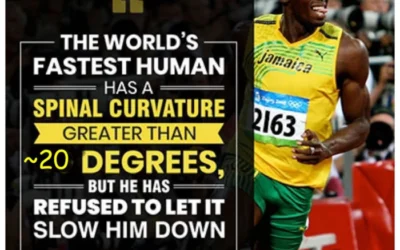
Scoliosis and Usain Bolt: What It Means for Your Back Pain
When patients with chronic back pain ask whether their scoliosis is the reason for their pain, one of the most reassuring examples is Usain Bolt. Bolt, an eight-time Olympic gold medallist and the only sprinter to win the Olympic 100m and 200m titles at three...

Adductor Muscle Injury: Groin Strain Causes and Treatment
A sudden, sharp pain in the inner thigh during sport or exercise is a common sign of a groin strain, an injury to the adductor muscles. It is one of the most frequent injuries seen in active people, and while it can put a real dent in your training, most cases recover...

Why Cracking Your Own Neck Is Bad for You
We have all seen people crack their own necks to try to relieve stiffness or discomfort, and you may well do it yourself without thinking twice. When you crack your neck, the action releases gas or fluid from the joints around the neck, which usually makes you feel...

3 Signs That You Have Tight Hamstrings
It is often obvious when tight hamstrings are causing stiffness and getting in the way of exercise or everyday tasks like walking or bending over. But sometimes the connection is a lot less clear, and tight hamstrings show up as pain somewhere else in the body...
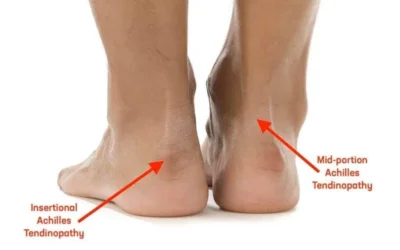
Tendonitis vs Tenosynovitis: What Is the Difference?
Pain and stiffness around the Achilles is often described simply as "Achilles tendinitis", but two related conditions can produce very similar symptoms: tendonitis and tenosynovitis. Understanding the difference, and why it often does not change your treatment plan,...

TMJ Dysfunction: Causes, Symptoms and How Physiotherapy Helps
Jaw pain, clicking or a feeling of tightness around the ear is often put down to stress or "just how the jaw is", but it usually has an identifiable cause and responds well to physiotherapy. This is known as temporomandibular joint dysfunction, or TMJ dysfunction, and...

Shockwave Therapy: How It Works and When It Helps
If you have been dealing with persistent tendon pain that has not responded to rest and stretching alone, your physiotherapist may suggest shockwave therapy. It is one of the more established non-surgical treatments for stubborn tendon conditions, backed by a solid...
What Is Fascia? Understanding Its Role in Pain and Movement
If you have ever dealt with stiffness or nagging aches that do not seem tied to any single injury, the cause may lie in your fascia rather than in a muscle or joint itself. Fascia training has become a popular topic in fitness and rehabilitation circles, and...
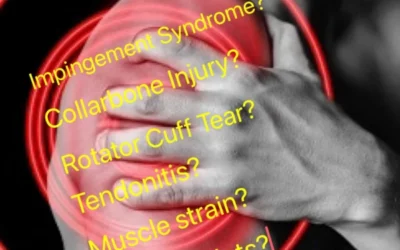
Pain on Top of the Shoulder: Causes and How We Treat It
Sharp pain on top of your shoulder can come from six different causes, from impingement to a rotator cuff tear. Learn what’s behind it and how we treat it.
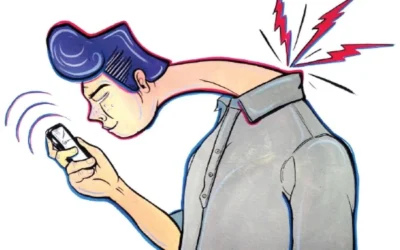
Text Neck Syndrome: What It Is and 6 Ways to Fix It
Neck and shoulder ache after hours on your phone? It might be text neck syndrome. Here are six simple changes that make a real difference.
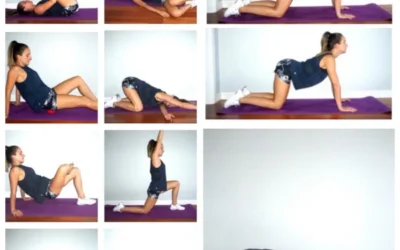
Back Pain: Why It Happens and How Physiotherapy Can Help
Back pain is the most common complaint we see in clinic, and it’s rarely down to a single cause. Find out the three everyday habits behind it, and how physiotherapy can help.
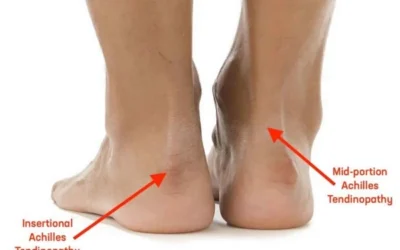
Achilles Tendinitis: Symptoms, Causes and How Physiotherapy Treats It
Pain at the back of your ankle when you walk or run could be Achilles tendinitis. Discover the two types, what causes them, and how physiotherapy treats each one.