

Hypopressive exercises are great for toning the abdominal muscles and are especially suitable for people who suffer from back pain. Since these exercises do not require spinal movement, they can even be performed by people with herniated discs.
The hypopressive exercise produces the direct activation of the transverse abdominal muscle, which allows strengthening the abdominal girdle and stabilizing the spine
How to do hypopressive exercises at home:
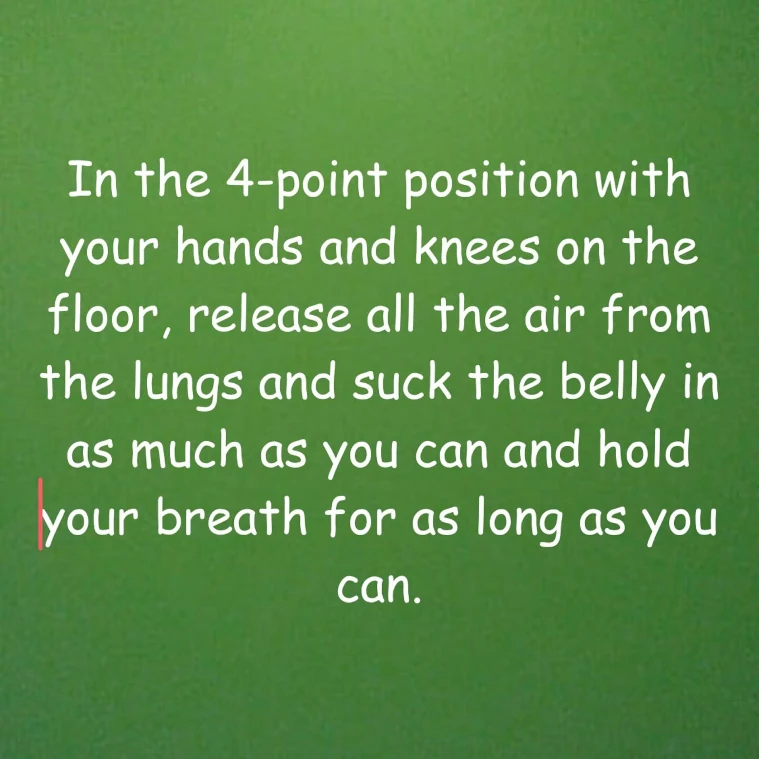
- Breathe in normally and releasing the air completely, until the abdomen begins to contract on its own;
- ‘Shrink’ your abdomen by sucking the abdominal muscles inwards towards the spine;
- Keep this contraction for 10 to 20 seconds initially and, over time, gradually increase the contraction time. Hold this for as long as possible without breathing;
- Fill your lungs with air and relax completely, returning to your normal breathing.
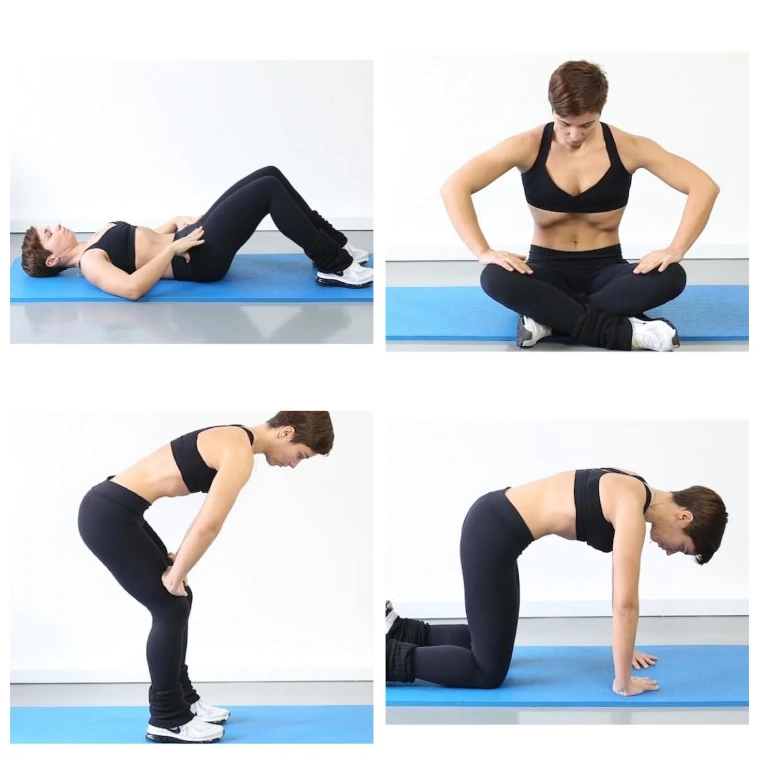
Exercise 1: Lying Down
Exercise 2: Sitting
Exercise 3: Leaning Forward
Exercise 4: Kneeling on the floor
Whenever you do a series of hypopressives you should vary the positions because it is normal for a person to be able to maintain the contraction for longer in one position than in another. The best way to know which position you can hold the contraction for longer is to test each of them.
Cautions while doing hypopressive exercises. The most important precautions to take when performing hypopressive breathing are:
- Do not do these exercises after eating;
- Always contract the pelvic muscles when shrinking the belly to it’s maximum point;
- Do these exercises 3 to 5 times a week;
- Start the exercise program lightly, with few contractions and increase the number of contractions gradually, respecting the limits of your body.
Those who practice these exercises regularly may notice benefits in 4 weeks.
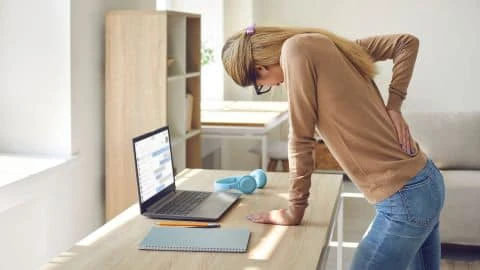
Best medications for low back pain
Best medications for low back pain, according to new research:(First published: 22 February 2023 Nonopioid pharmacological management of acute low back pain: A level I of evidence systematic review)Perhaps it’s from sitting too long, picking up a heavy object, a...
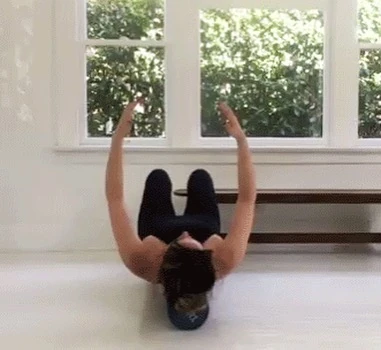
How many hours a day do you sit?
How many hours a day do you sit?Try this pose to help!In the second slide the top picture is the starting position. The bottom picture is the actual stretch that should be held for 10 seconds. You are driving force downwards through the elbows. After the 10 second...
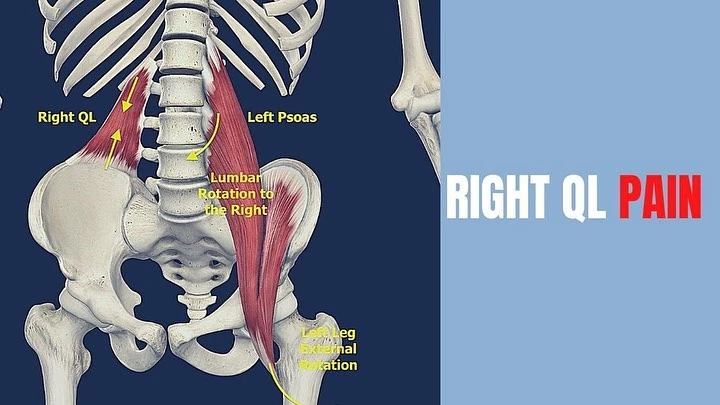
Psoas and quadratus lumborum
The psoas and quadratus lumborum both help to stabilize the lumbar spine and move the hips. They are very often in a dysfunctional relationship, with one overworking and the other underworking. NKT often finds the QL overworking and the psoas underworking as well as...

25 very simple habits that will improve your life today
We talk a lot about habits and self-improvement. Sometimes it involves a huge, lifestyle-changing effort. But sometimes it involves making tiny changes, or doing very simple things that can have an outsized and positive effect on your day. Lets try ... Pick up a piece...
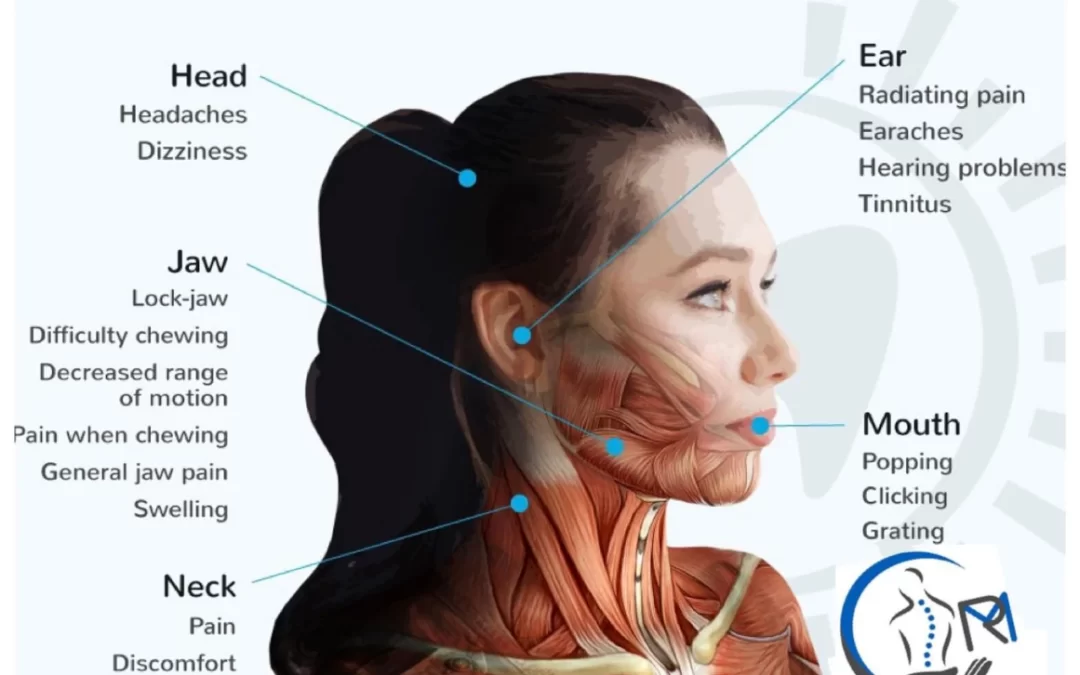
Physiotherapy management of TMJ pain
What is the TMJ? The temporomandibular joint or TMJ, is the joint that joins your jaw bone to the rest of your skull. You can feel it just in front of your ear hole. It can be painful for many reasons including poor posture, bad habits, growth disorder or injury and...
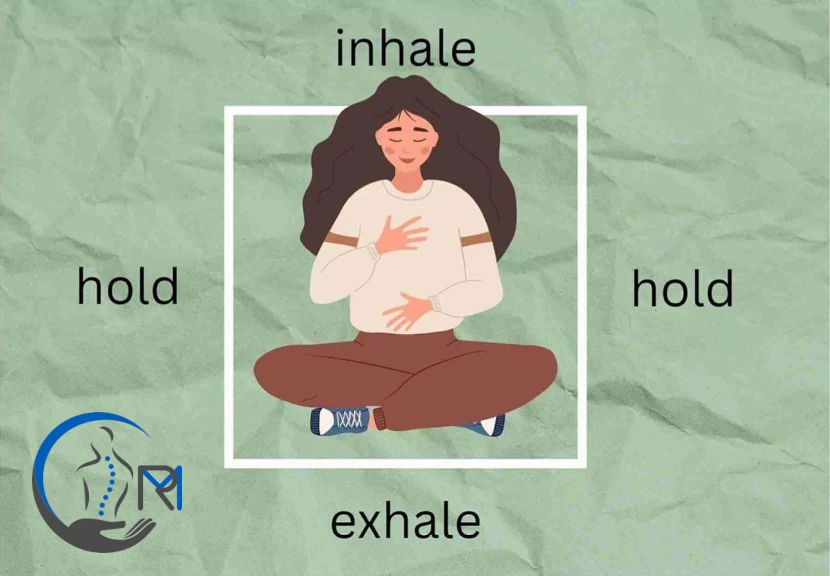
Cyclic breathing exercises
A team of researchers at Stanford University reports evidence that people who engage in cyclic sighing breathing exercises see a greater reduction in stress than those engaging in mindfulness meditation. In their paper published in the journal Cell Reports Medicine,...

Tendonitis and tenosynovitis
Achilles Injury is a degenerative condition of the tendon itself. Achilles tenosynovitis is a similar condition of the sheath which surrounds the tendon rather than the tendon itself.In terms of symptoms, they are very very similar and it is practically impossible to...
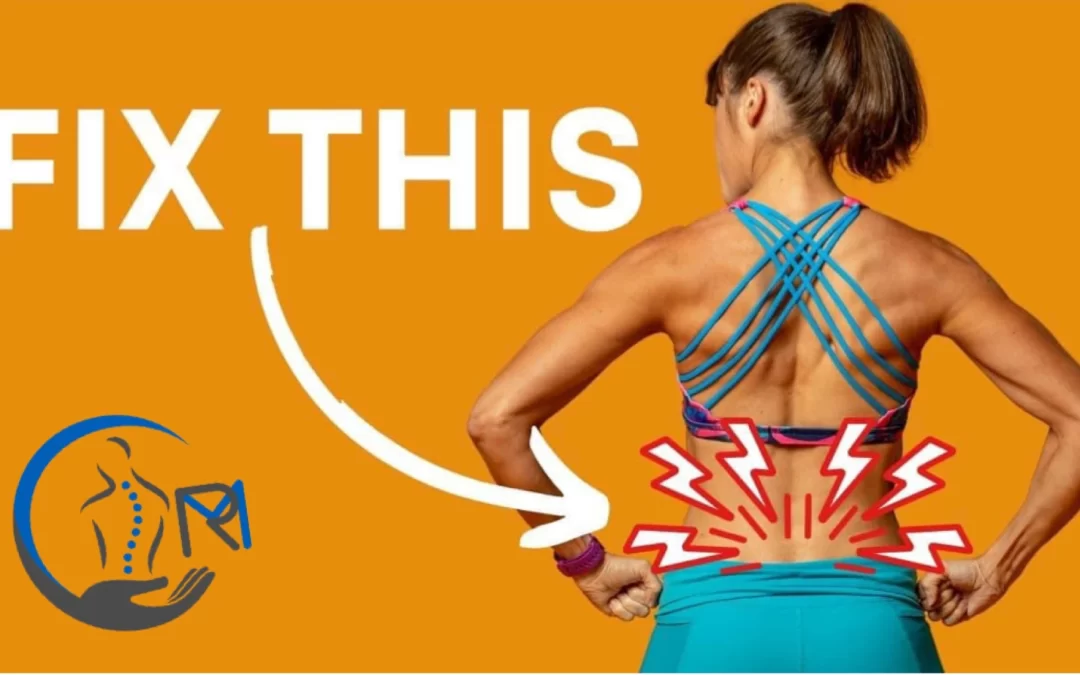
January is the month for new challenge!
Put your health at the top of that list! Make a positive difference to your body this new year and start 2023 the right way! As a Physiotherapist, I help you to understand the cause of your pain. With different techniques, I can reduce your pain, (Tecartherapy,...

0 Comments