

Sometimes it’s obvious when tight hamstrings are resulting in stiffness and difficulty working out or accomplishing your everyday tasks, whether that’s walking or bending over. But sometimes it’s a lot less clear.
If you’re not sure about the state of your hamstrings, please check this 3 signs that it’s time to pay more attention to these muscles:
- You’re Experiencing Lower Back Tightness and/or Pain Muscle tightness in one area of the body can lead to overcompensation in other parts.
Inflexible hamstrings can cause your lumbar spine, or lower back, to compensate as you walk, sit, and go about your practice and your day. The tighter the hamstrings, the more they pull on your sitting bones, tilting your pelvis backward.
This has a negative effect on the alignment of your spine.
Over time, this results in lower back pain. - Your Hips Feel Tight and Cranky
That tilt in your pelvis doesn’t just affect your lower back. The imbalance can also contribute to stiffness in the hips, as they overcompensate for your rigid hamstrings by supporting your lumbar spine. - Your Knees Hurt
Since your hamstring’s three muscles extend all the way to your lower knee, you may experience some pain in that joint due to a lack of flexibility. When those bands of tissue are tight, it can hinder your knee’s ability to straighten and bend. Your knee may respond by pulling on that hamstring, which can lead to a slew of injuries, including osteoarthritis. If everyday movement makes your knee(s) ache, your hamstrings might be begging to be stretched.
How to help your hamstrings ? Stretch! And if pain on your back is still present after your stretching you must consider to check with your physio the reason of your lower back pain.




Few minutes of exercise
Experts say just a few minutes of exercise instead of sedentary behaviour can boost heart health Any activity – even sleeping or standing – is better for your heart than sitting down, research suggests. New evidence reinforces why sedentary behaviour is a killer and...

Benefits of walking after eating
Benefits of walking after eating Walking is a low-impact exercise that's easy on your joints and can be done just about anywhere. But, did you know there are specific benefits of walking after eating? Here are five benefits of walking after eating. Some of them may...
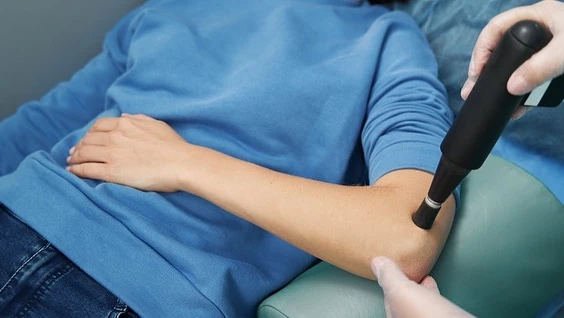
Shockwave Therapy
Shockwave Therapy Shockwave Therapy is a treatment modality for a variety of lower and upper limb conditions. These include: Tennis elbow; Golfer’s elbow; Greater trochanteric pain syndrome; Proximal hamstring tendinopathy; Patella tendinopathy; Insertional Achilles...
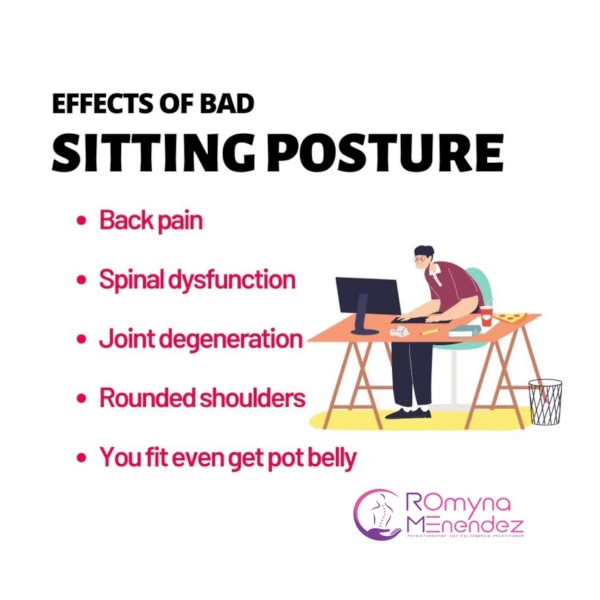
Improve your posture with physiotherapy
Improve your posture with physiotherapy Physiotherapy is a proven treatment to improve posture. Physiotherapists will use a combination of hands on treatment, stretches, and physiotherapy exercises to help correct poor posture and re-balance the body. About Me My name...
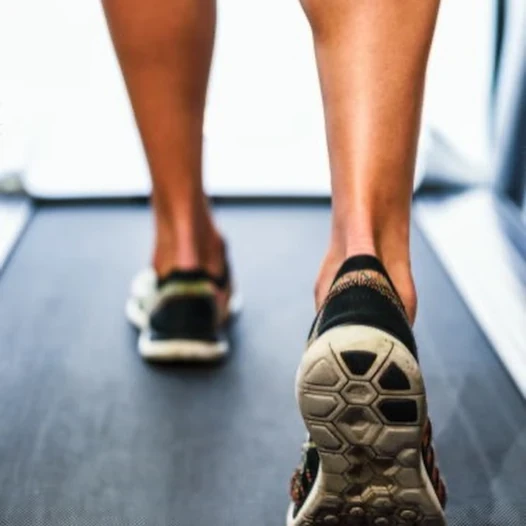
Walking backwards is good
Walking backwards Walking is more complicated than many of us realize. Remaining upright requires coordination between our visual and proprioceptive (awareness of where our bodies are in space) systems. When we walk backwards, it takes longer for our brains to process...

What is Fascia?
Fascia: what is it, how do you train it, and why bother? If you’ve dealt with stiffness and pain in the recent past, you may have come across fascia training — an approach that many in the fitness are encouraging people to do. That means working to improve the health...

World Physiotherapy Day
World Physiotherapy Day In 1996, 8 September was designated as World PT Day. This is the date World Physiotherapy was founded in 1951. The day marks the unity and solidarity of the global physiotherapy community. It is an opportunity to recognise the work that...
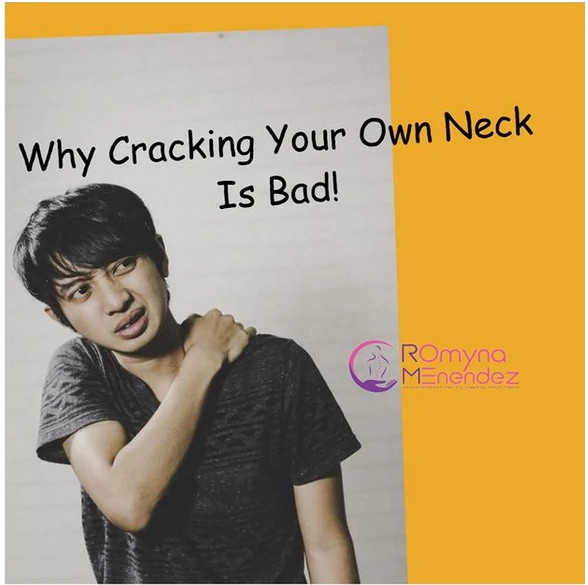
Why cracking your own neck is bad!
Why cracking your own neck is bad! We’ve all seen people “crack” their necks to try to relieve pain or stiffness. When you crack your neck, the action releases gas or fluid from the joints surrounding the neck. The cracking, usually makes you feel better temporarily....
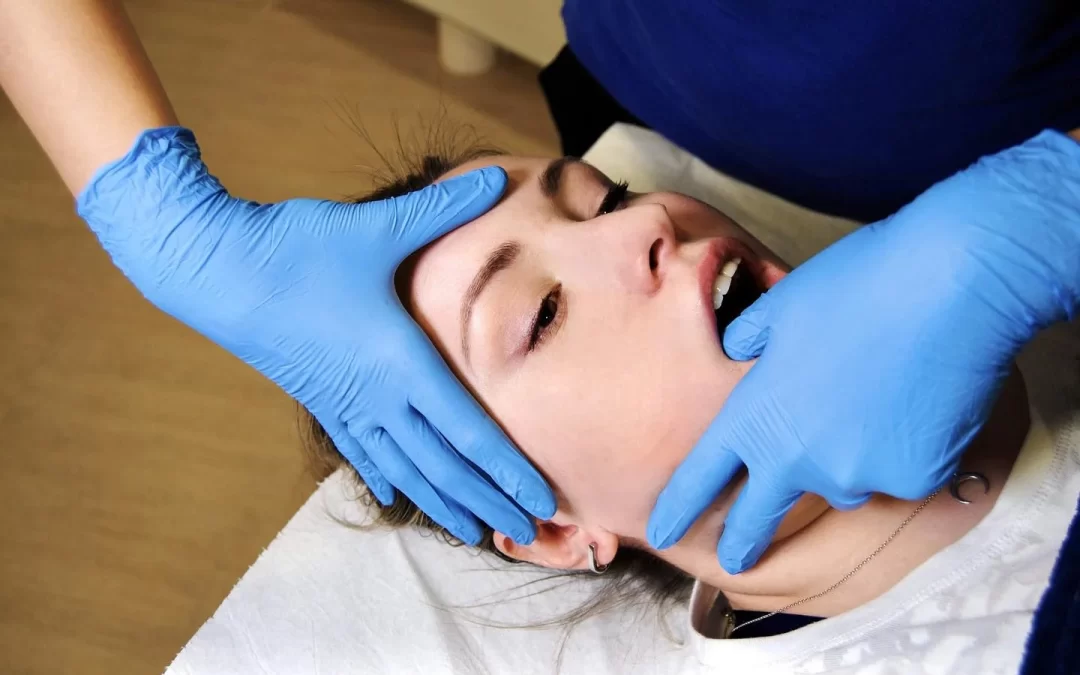
TMJ Dysfunction
What is TMJ dysfunction? TMJ dysfunction is inflammation of the TMJ, which connects the jaw to the skull. This can cause pain and reduced function. The TMJ is a complex joint and can be affected by several problems: Cross bite; Posture; Stress/nervous habits;...
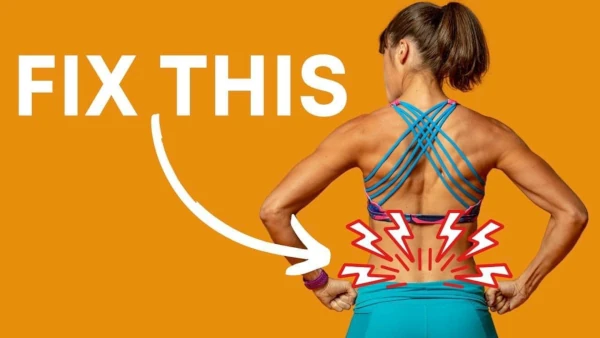
Treating Acute Back Pain
Most cases of acute back pain can be treated using self-help techniques: Medication Sitting Good posture; Back pain supplements; Driving Good posture; Compression packs; Remember, your spine likes movement. Try and change position every 20 – 30 minutes! There is no...
0 Comments