

Fascia: what is it, how do you train it, and why bother?
If you’ve dealt with stiffness and pain in the recent past, you may have come across fascia training — an approach that many in the fitness are encouraging people to do. That means working to improve the health of your fascia, a web of connective tissue that holds the body’s organs, muscles, bones and tissues in place…
Stretching from head to toe, the fascial network also gives the body its shape, much like a sheet of plastic wrap or those fine, white fibers that bind and mold the inside of an orange.
Fascia can shorten, stiffen and develop adhesions from repetitive movements like running or swinging a racquet.
Fascia can also become tight and painful from inactivity, such as sitting at a desk all day or spending hours scrolling through your smartphone.
Training your fascial tissue
Working to loosen tight, knotty fascia is the basis for fascia training, and it can help most people. Perhaps the best-known method of fascia training is fascial release, in which pressure is placed on the restricted tissue via a massage, foam roller or ball.
Slow, dynamic stretching — in which you’re moving rather than holding a position — is also a good way to improve fascial health.
Incorporating just a few minutes of bouncing, foam rolling and stretching into your exercise regimen is definitely valuable.
Another option to help keep your body loose and pain-free is to visit a physiotherapist. A physiotherapist can assess your movement patterns to see if you have any limitations, then prescribe exercises and possibly perform manual treatments.
Don’t forget to listen to your body, too. Your body is intuitive. So, move in a way that feels good. That sounds very boring, and it’s not a great soundbite, but it’s the truth.
Here some release exercises, for your back, neck, legs and shoulders.
If you do the stretching and you feel pain, stop immediately if you experience pain.



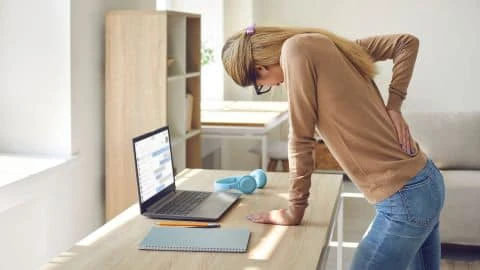
Best medications for low back pain
Best medications for low back pain, according to new research:(First published: 22 February 2023 Nonopioid pharmacological management of acute low back pain: A level I of evidence systematic review)Perhaps it’s from sitting too long, picking up a heavy object, a...
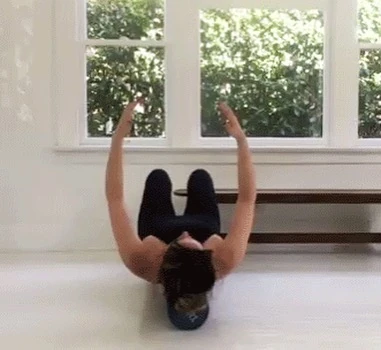
How many hours a day do you sit?
How many hours a day do you sit?Try this pose to help!In the second slide the top picture is the starting position. The bottom picture is the actual stretch that should be held for 10 seconds. You are driving force downwards through the elbows. After the 10 second...
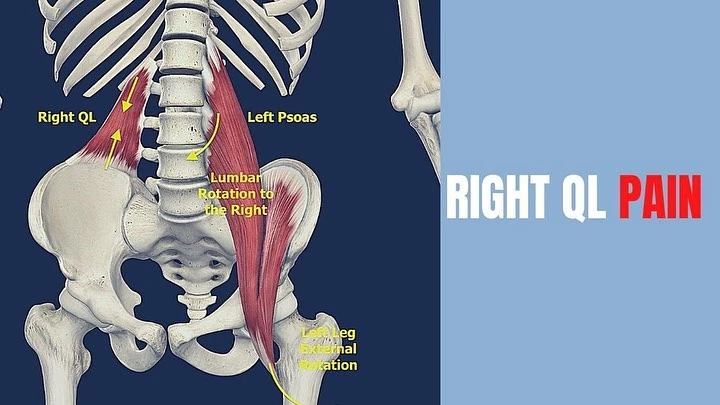
Psoas and quadratus lumborum
The psoas and quadratus lumborum both help to stabilize the lumbar spine and move the hips. They are very often in a dysfunctional relationship, with one overworking and the other underworking. NKT often finds the QL overworking and the psoas underworking as well as...

25 very simple habits that will improve your life today
We talk a lot about habits and self-improvement. Sometimes it involves a huge, lifestyle-changing effort. But sometimes it involves making tiny changes, or doing very simple things that can have an outsized and positive effect on your day. Lets try ... Pick up a piece...
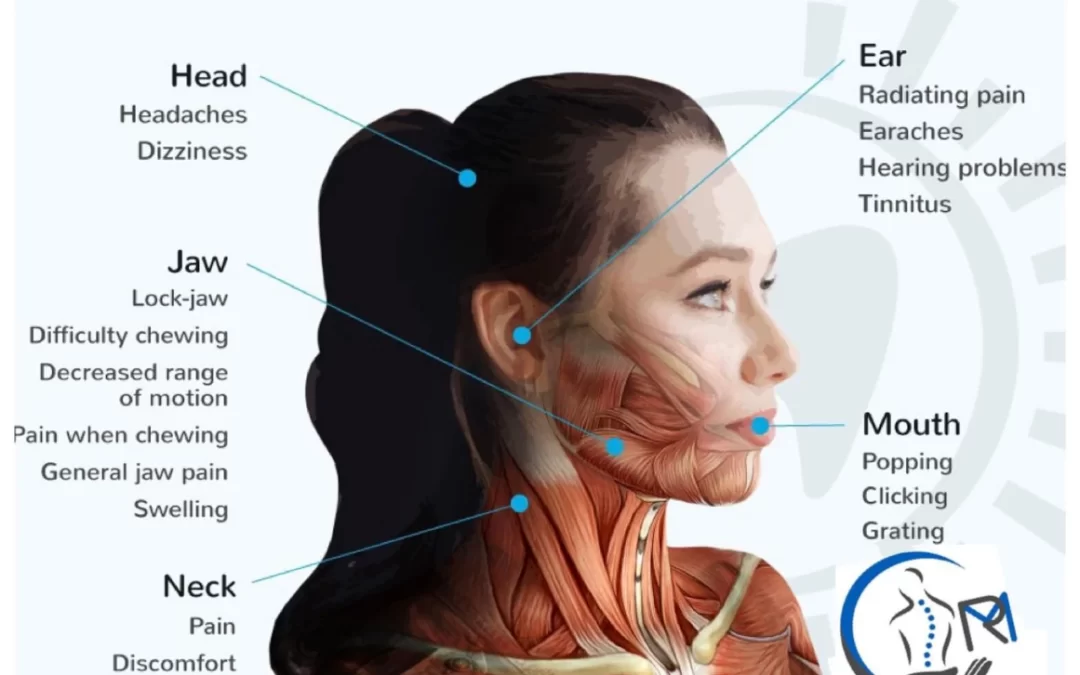
Physiotherapy management of TMJ pain
What is the TMJ? The temporomandibular joint or TMJ, is the joint that joins your jaw bone to the rest of your skull. You can feel it just in front of your ear hole. It can be painful for many reasons including poor posture, bad habits, growth disorder or injury and...
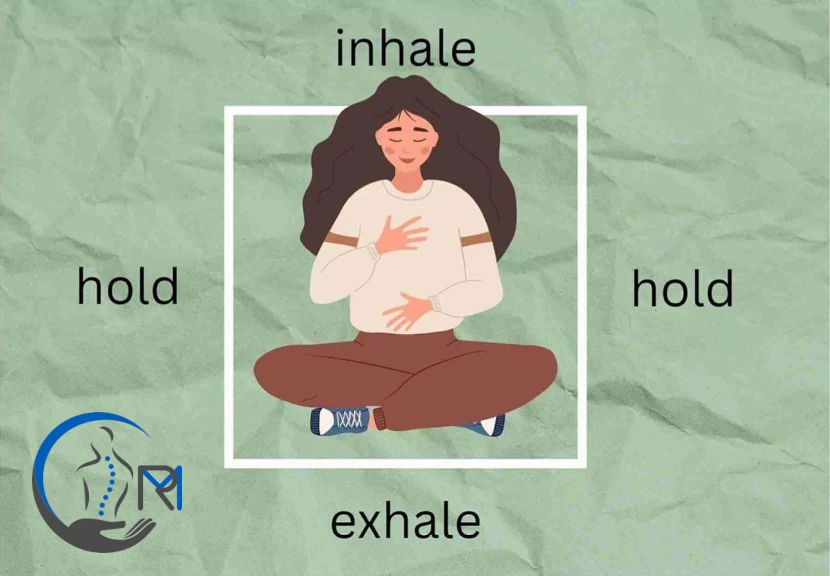
Cyclic breathing exercises
A team of researchers at Stanford University reports evidence that people who engage in cyclic sighing breathing exercises see a greater reduction in stress than those engaging in mindfulness meditation. In their paper published in the journal Cell Reports Medicine,...

Tendonitis and tenosynovitis
Achilles Injury is a degenerative condition of the tendon itself. Achilles tenosynovitis is a similar condition of the sheath which surrounds the tendon rather than the tendon itself.In terms of symptoms, they are very very similar and it is practically impossible to...
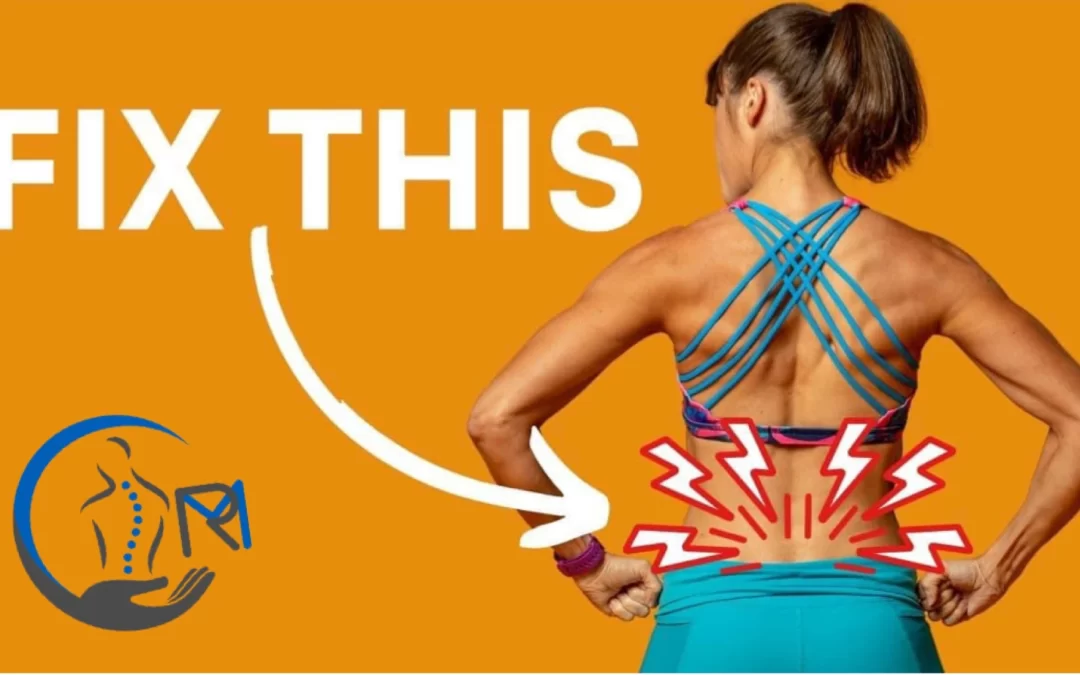
January is the month for new challenge!
Put your health at the top of that list! Make a positive difference to your body this new year and start 2023 the right way! As a Physiotherapist, I help you to understand the cause of your pain. With different techniques, I can reduce your pain, (Tecartherapy,...

0 Comments